
This post may contain affiliate links which help support Girls Can Grill.
When it comes to picking out diamonds, we’ve been taught how important it is to understand the 4 Cs (cut, clarity, color and carat).
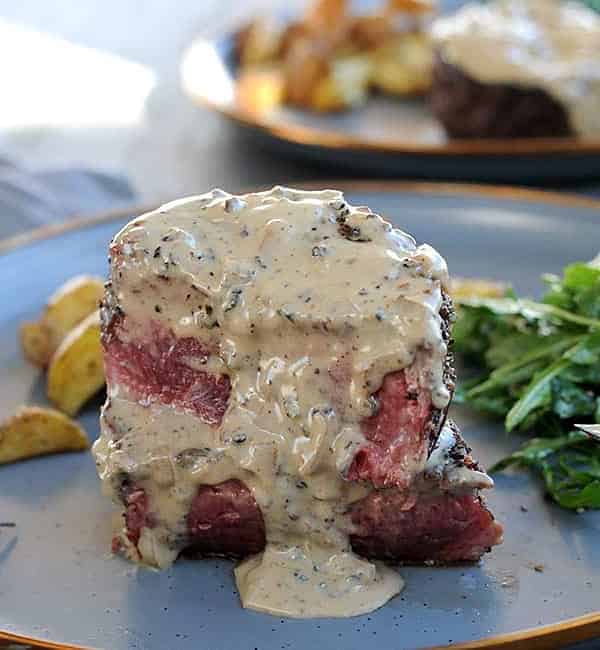
But at Girls Can Grill, we love beef diamonds, which is why we’re here to teach you about the 4 Cs of buying steak (cut, color, cost and cooking method).
Save this BBQ Tip
Enter your email, and I’ll send this link directly to your inbox. Plus, you’ll get new BBQ recipes and tips weekly.
The Cut
There are so many different cuts of steak to choose from: ribeye steaks, sirloin steaks, New York strip steaks, skirt steaks, flank steaks, tri-tip steaks, eye of round steaks…the list goes on and on.
When selecting a cut, think about how much time you want to spend on dinner. If you don’t have a lot of time to fix this meal, choose a tender cut like a ribeye or New York strip. If you have time to do an overnight marinade, choose a cut like a sirloin or flank steak.
Also consider how many mouths you have to feed. If you’re planning on grilling steak, filet mignons and sirloins are generally 6-8 ounces, while New York strips and ribeyes are 12-16 ounces.
Flank and strip steaks are usually not served as single steaks. Instead, they’re often marinated, grilled and carved up for dishes like tacos.
The Color
For the most part, you want your red meat red, but brown beef is not always bad.
High-end restaurants pride themselves on serving dry-aged beef. The meat sits in a humidity-controlled cooler for days, sometimes months. The result is a brown-crusted beef with rich developed flavor.
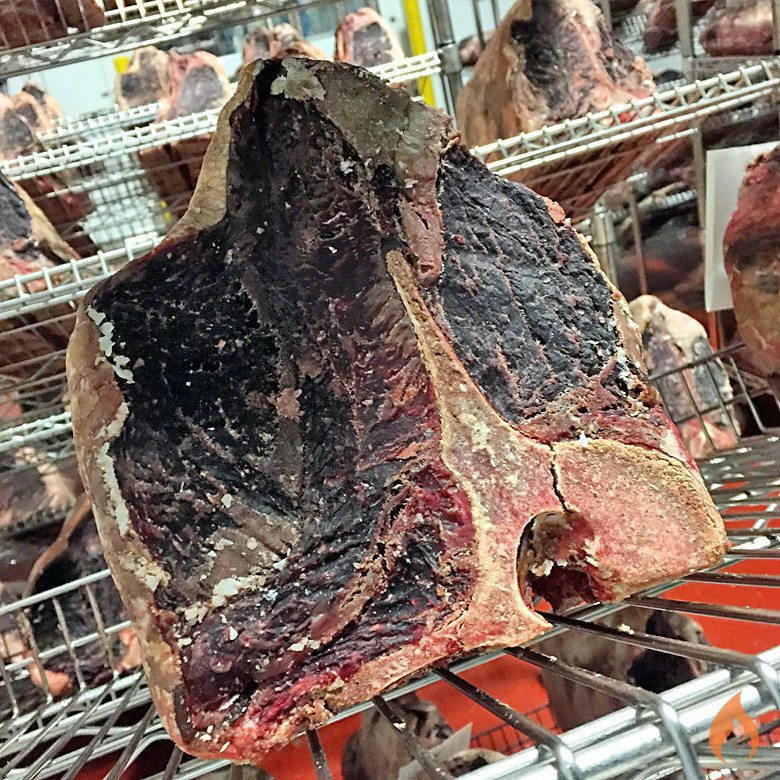
This is great for special occasions, but for every day meals, look for bright red meat. It’s a sign of freshness.
When meat is first butchered and is kissed by oxygen, the proteins celebrate and turn red. If it sits in the cooler too long, the meat will oxidize and start to brown, essentially starting the aging process.
The Cost
There are different qualities of meat, and as with most things in life, the greater the quality, the greater the cost.
USDA makes understanding the quality and cost easy. They assign grades to beef by analyzing the cut’s tenderness, juiciness and flavor.
Beef that is graded USDA Prime, is really high end and is usually what you’ll find in fancy restaurants. It’s going to cost you the most per pound.
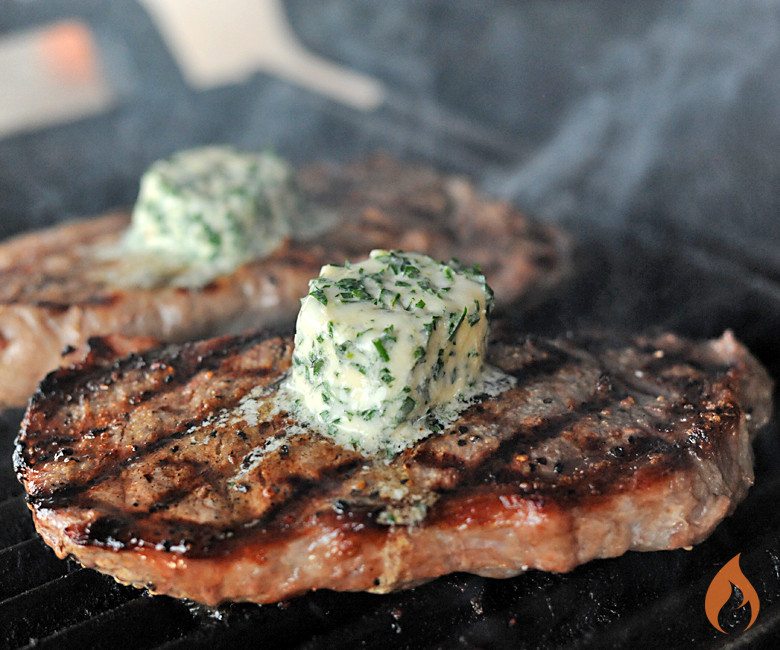
USDA Choice beef is still quality meat, but it costs less per pound than Prime because it has less marbling. You can make up the difference in flavor by adding a little fat like a compound butter.
USDA Select beef is your least expensive grade of beef. I don’t traditionally grill with Select cuts. They’re better for braising or slow cookers.
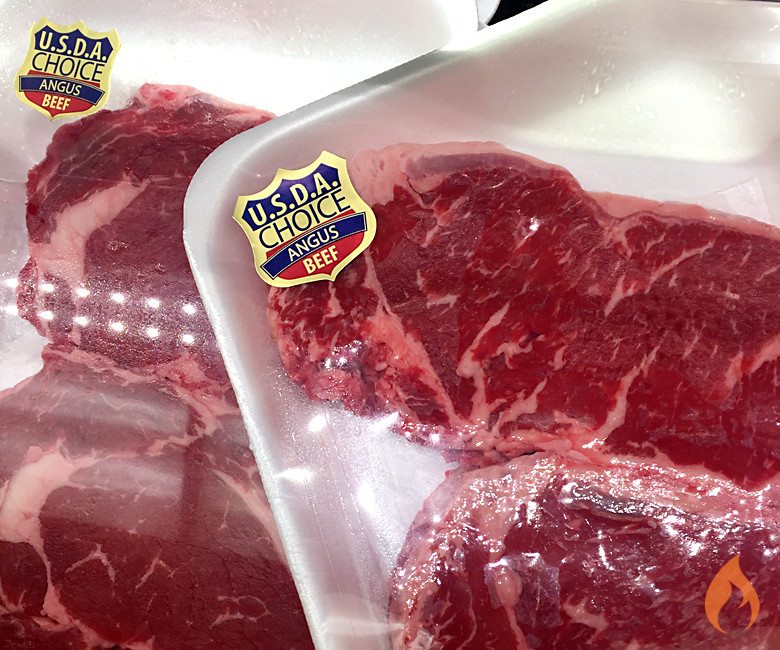
So how do you know which grade you’re getting and if you’re getting your money’s worth? Unfortunately, not all grocery stores display the grade. But at Kroger and Smith’s grocery stores, they proudly slap the USDA Choice seal on their quality beef cuts. So you know it’s USDA-approved to be tender, juicy and flavorful.
The Cooking Method
You’ve picked out your bright red USDA Choice beef cut, and you’re ready to fire up the grill, but wait. You can’t forget the last C. How you cook this gorgeous beef is important to maximize its flavor.
Preheat your grill to medium-high or high, creating a direct and an indirect heat area.
- For gas, this means only turn on half of your burners.
- For charcoal, this means push your coals to one side, so that you have an area that doesn’t have coals directly under it.
Season your beef.
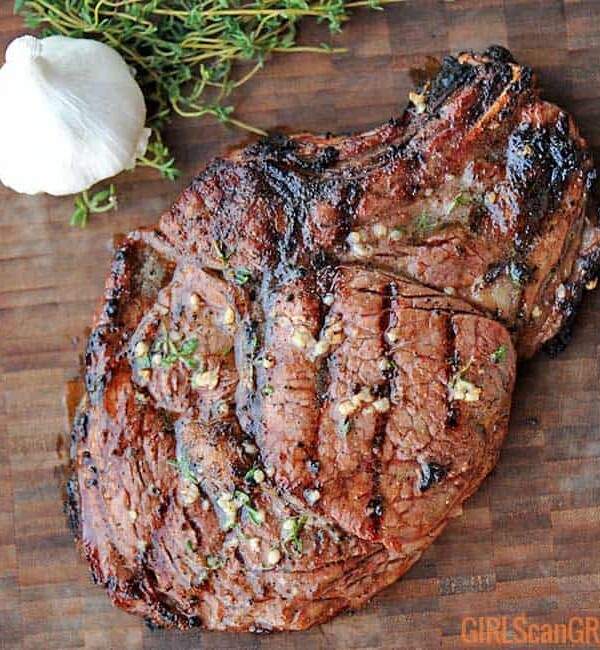
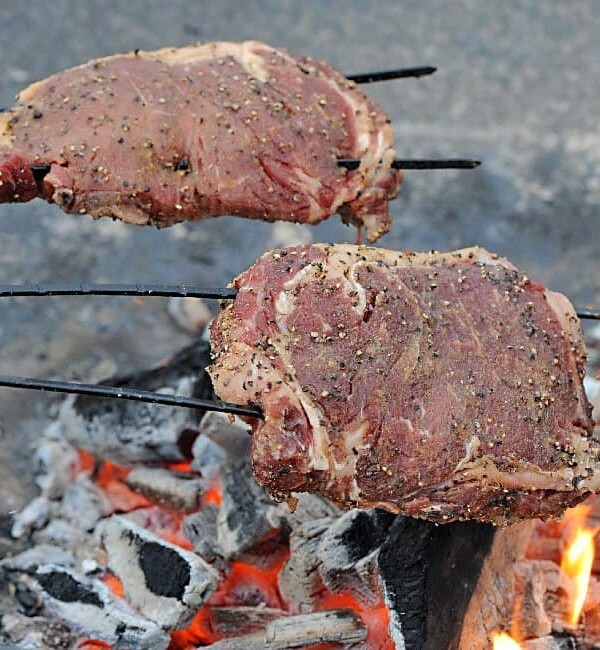
- For tender, fattier cuts, liberally season your steaks. Kosher salt, coarse ground black pepper and garlic powder are the perfect blend, but feel free to try your own combos.
- For leaner cuts like sirloin and eye of round, marinate the steak overnight in a bottled marinade or a combination of oil, vinegar or citrus juice, honey or sugar, and seasonings.
Grill the steaks over the direct heat for 5-7 minutes per side. Then, move them to the indirect heat area until they are cooked to your preferred level of wellness.
If you haven’t mastered how to tell wellness by touch, you can use an instant-read thermometer.
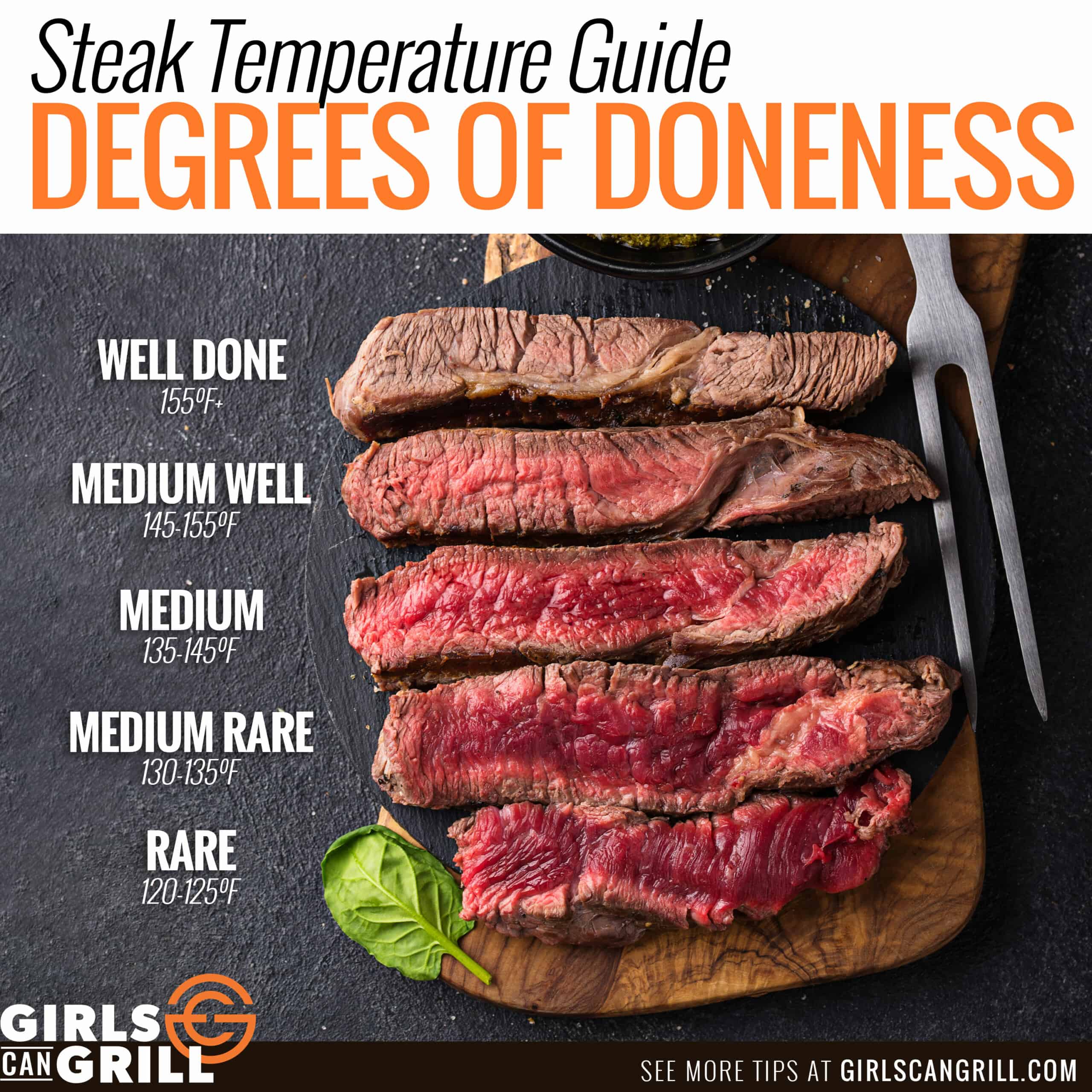
For the final step, remove your steak from the grill and let it rest for 10 minutes. You can cover it with foil to keep it warm. This will keep the USDA Choice juiciness in the steak, and juiciness = flavor.
WHAT ABOUT THOSE DIAMONDS
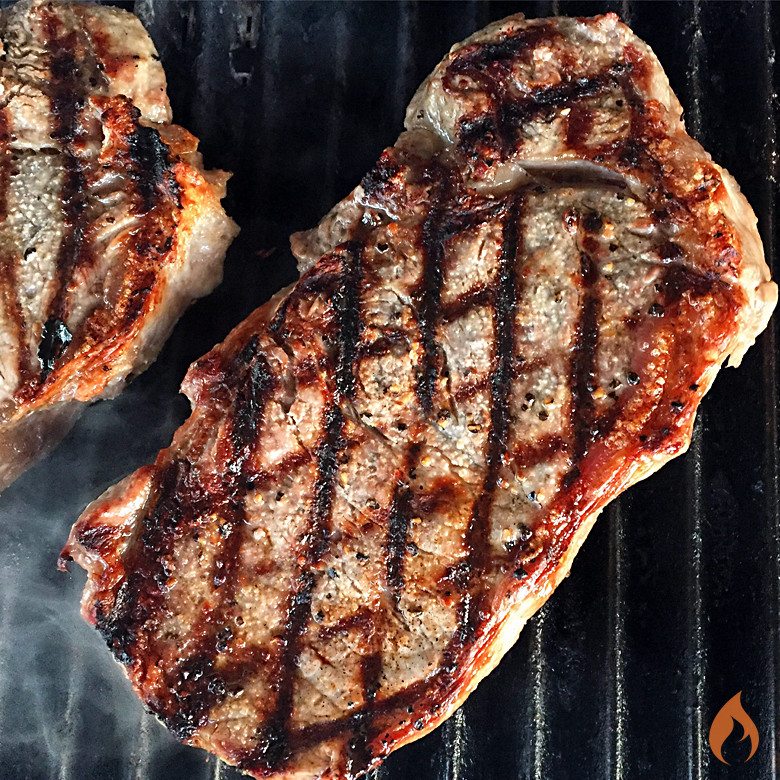
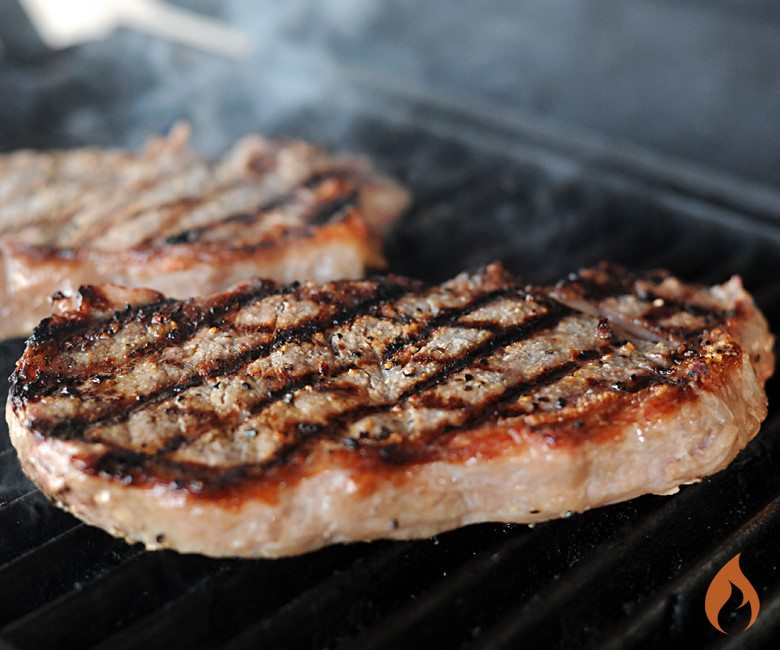
If you want to show off gorgeous beef diamonds, grill the steak for 3-5 minutes, until you get nice char lines. Then, rotate the steak a quarter turn, and continue grilling for 2-4 minutes before flipping.
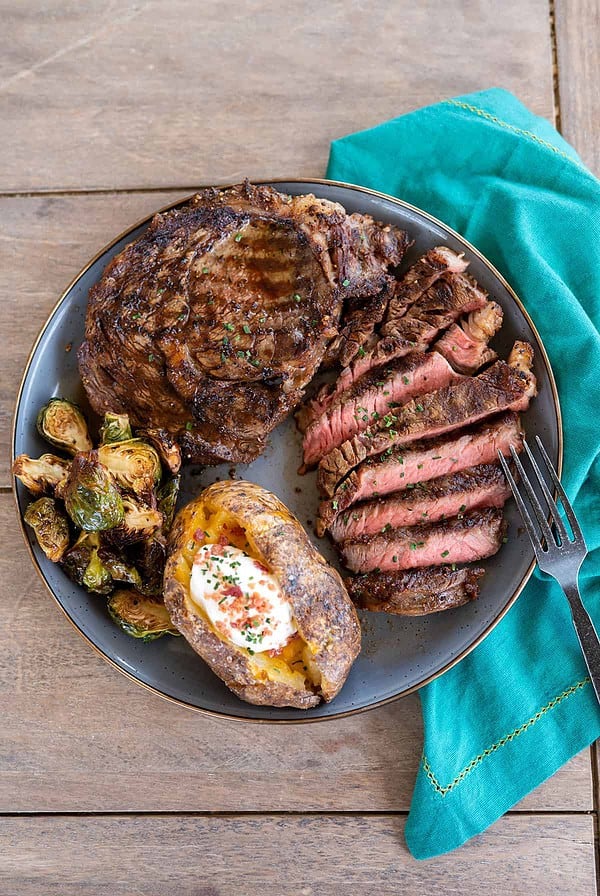










It really can surprise people to realize just how intricate you can get when ordering a steak, so it is nice to have an article go over all of the variations. I think it is especially helpful that it takes time to go over the cut of the steak. After all, that can really have an impact on the quality of the meat that you end up getting.